Koru Tatau

§ Symbology

What each symbol means.

The symbols I draw, explained in plain English and shown through my own designs. Under each name sits the original term, in case you want to know how it's really said.

12 symbols · 52 original drawings

Looking for the koru, the spiral the studio is named after? It has no entry here because I don't draw it on its own: it lives inside other pieces, holding the composition together. The full explanation is in this article (in Spanish).

  1. 01 ——

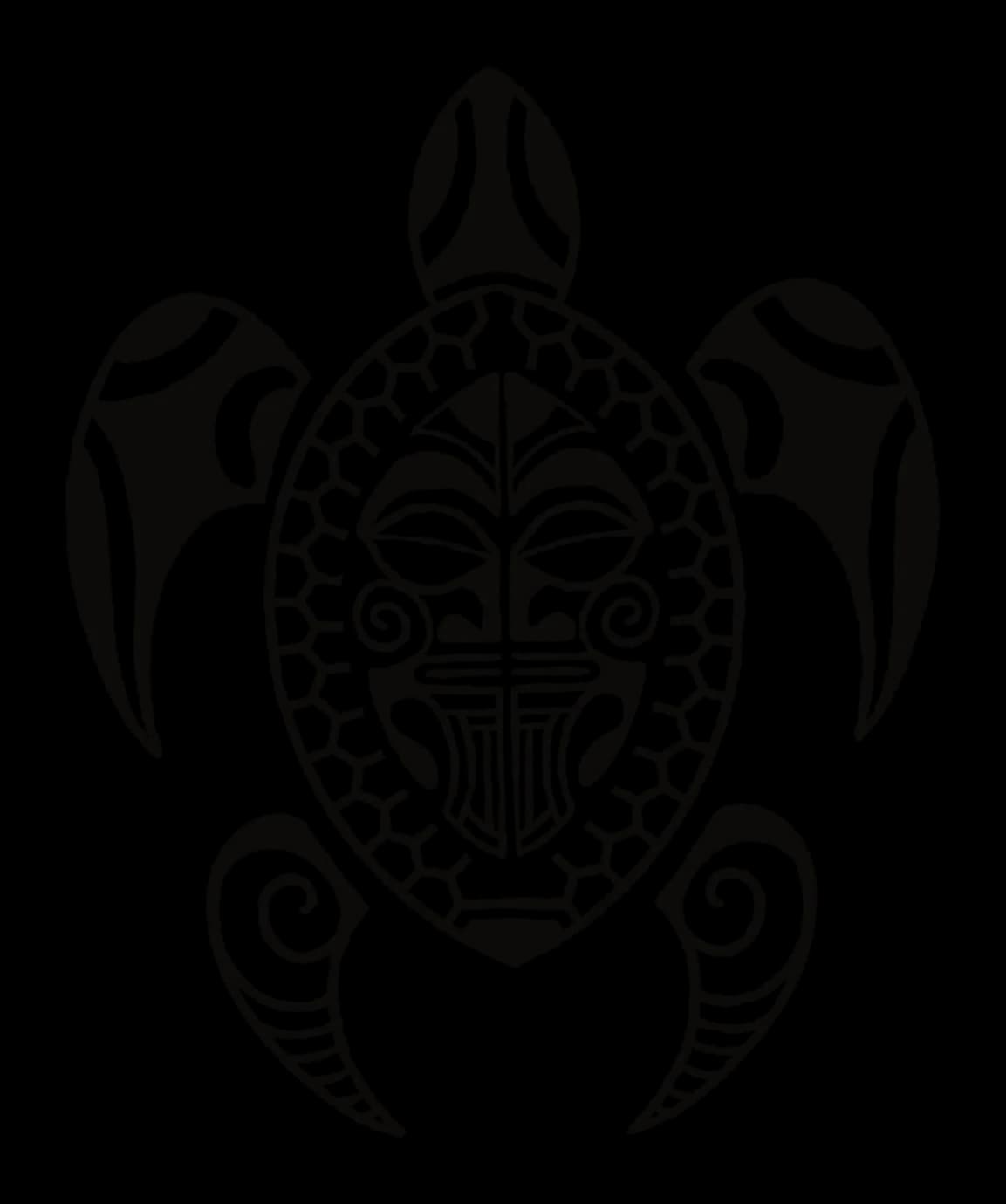
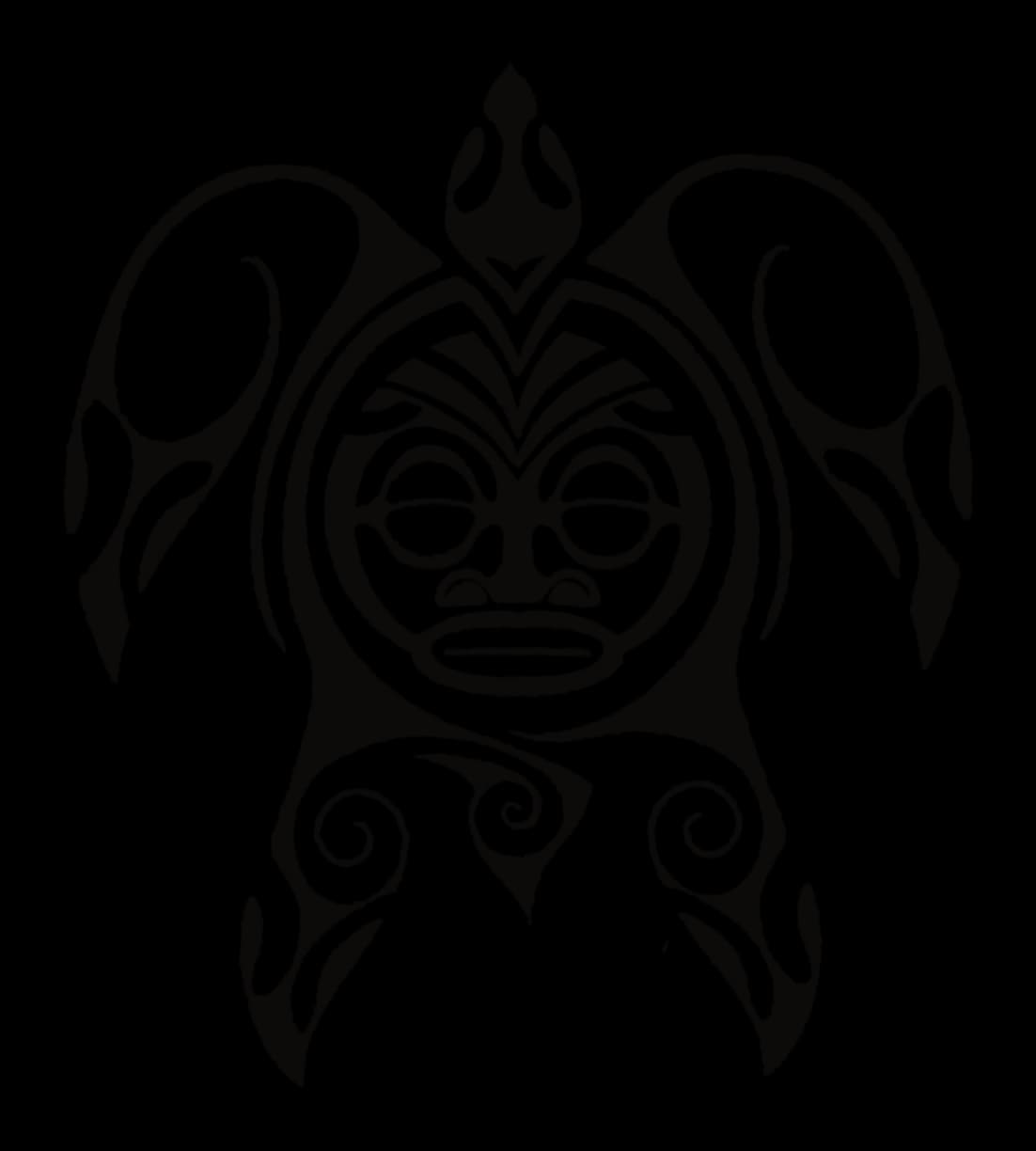
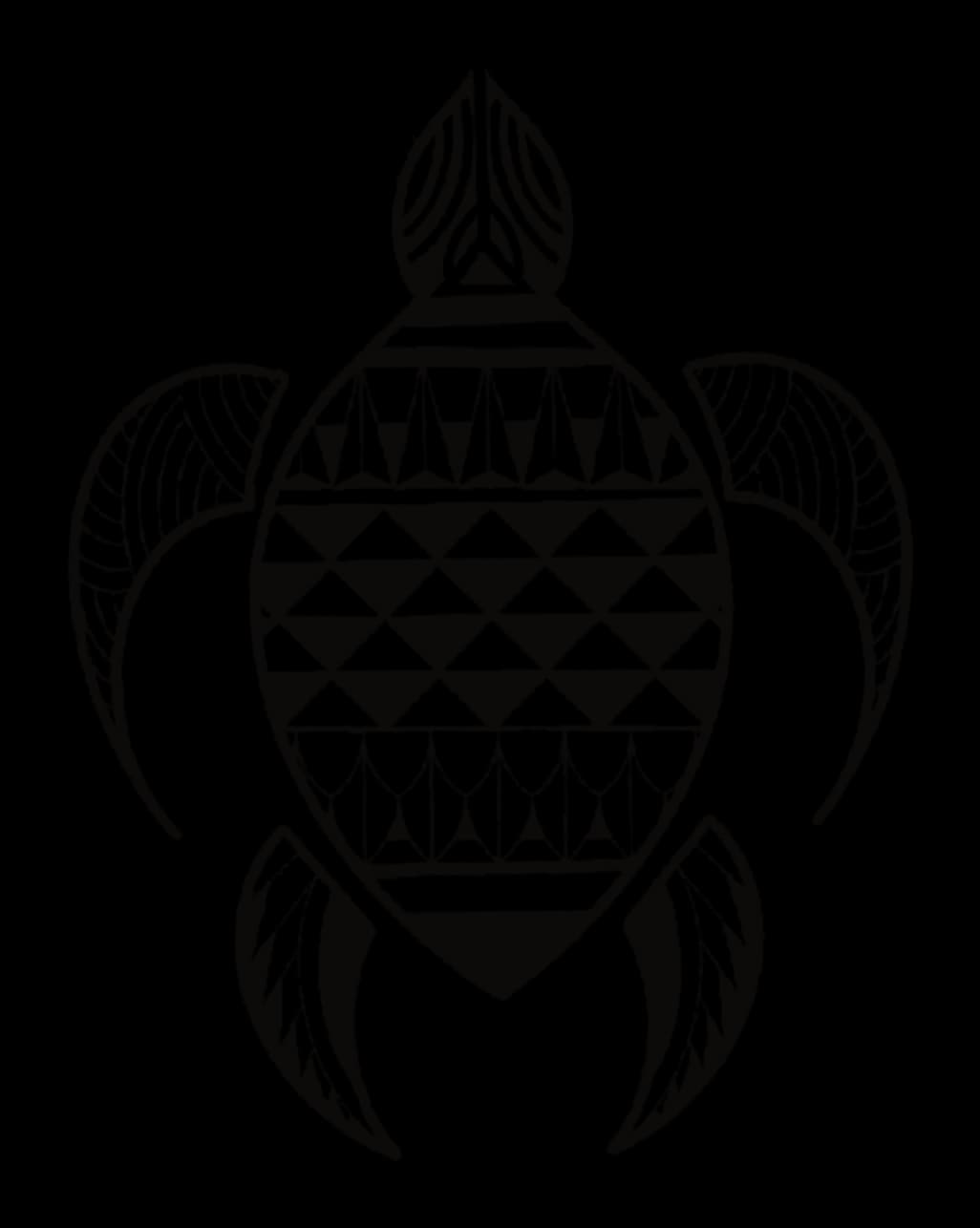
    Turtle

    Honu

    Polynesia · especially Hawaii

    The sea turtle is a guide and a protector at sea. Longevity, health, fertility and the way home.

    Polynesian turtle with a tiki mask on the shell and koru-tipped flippers, drawing by Leo Martínez.Turtle with a wide-eyed Marquesan face filling the whole shell, drawing by Leo Martínez.Turtle with the shell filled with shark teeth and scales, drawing by Leo Martínez.Fine-line turtle with a hei tiki figure inside the shell, drawing by Leo Martínez.+1
  2. 02 ——

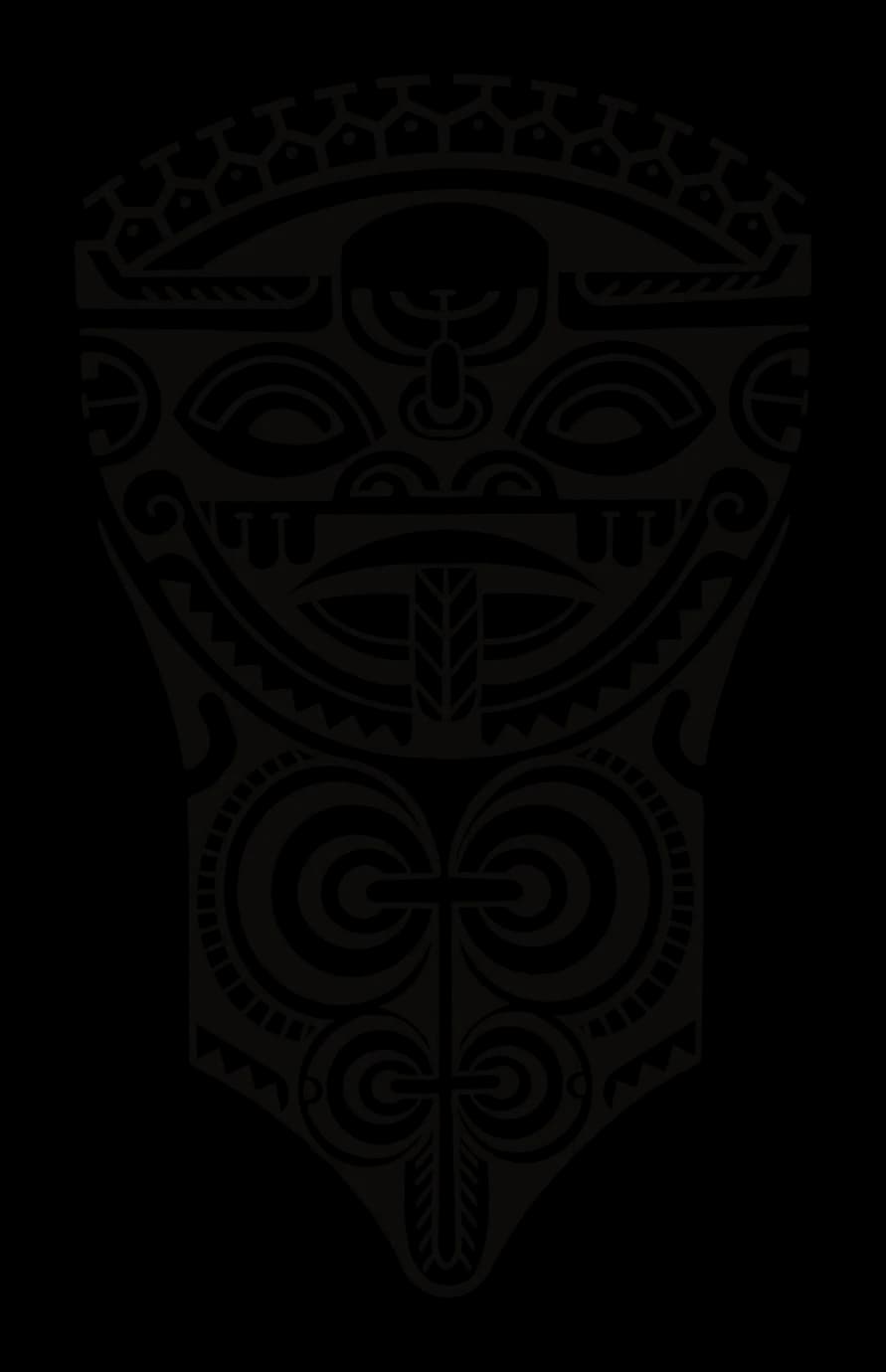
    Tiki

    Tiki

    Polynesia · strongly present in the Marquesas

    The first man and, by extension, the ancestor who protects. A frontal face with big eyes and bared teeth.

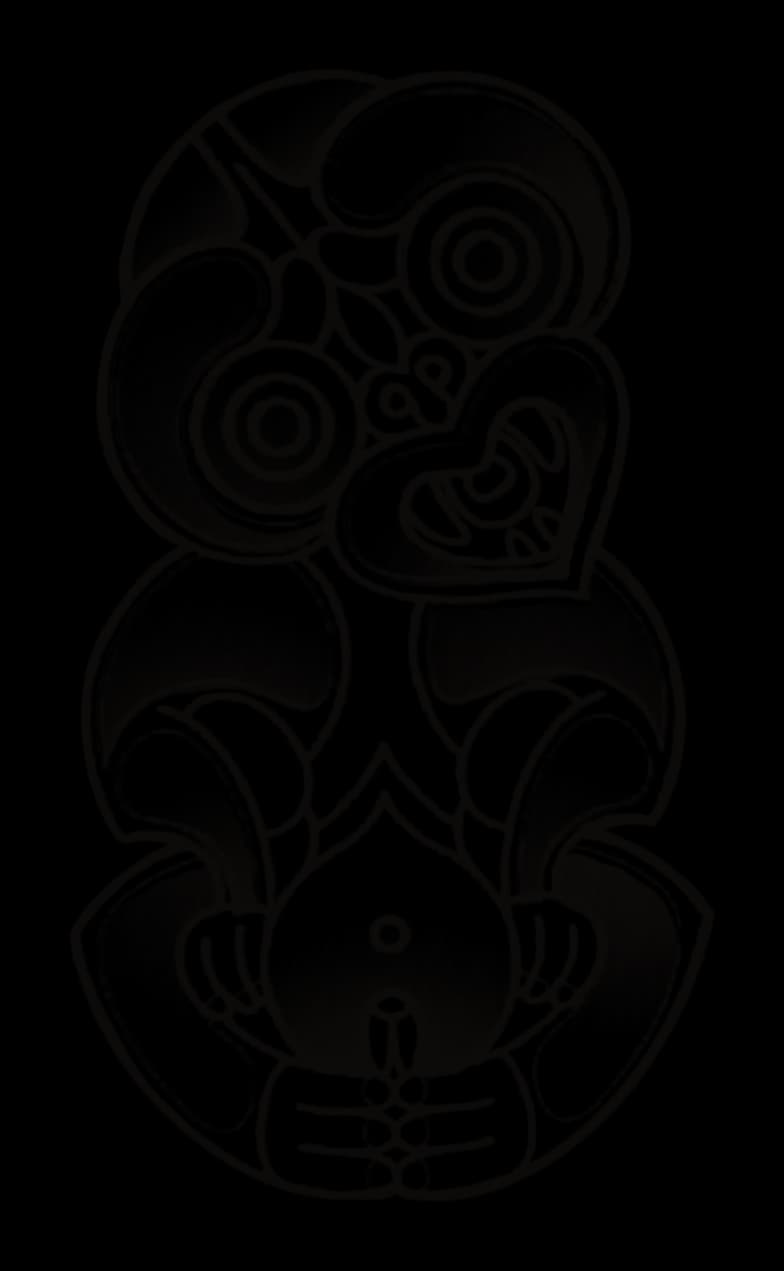
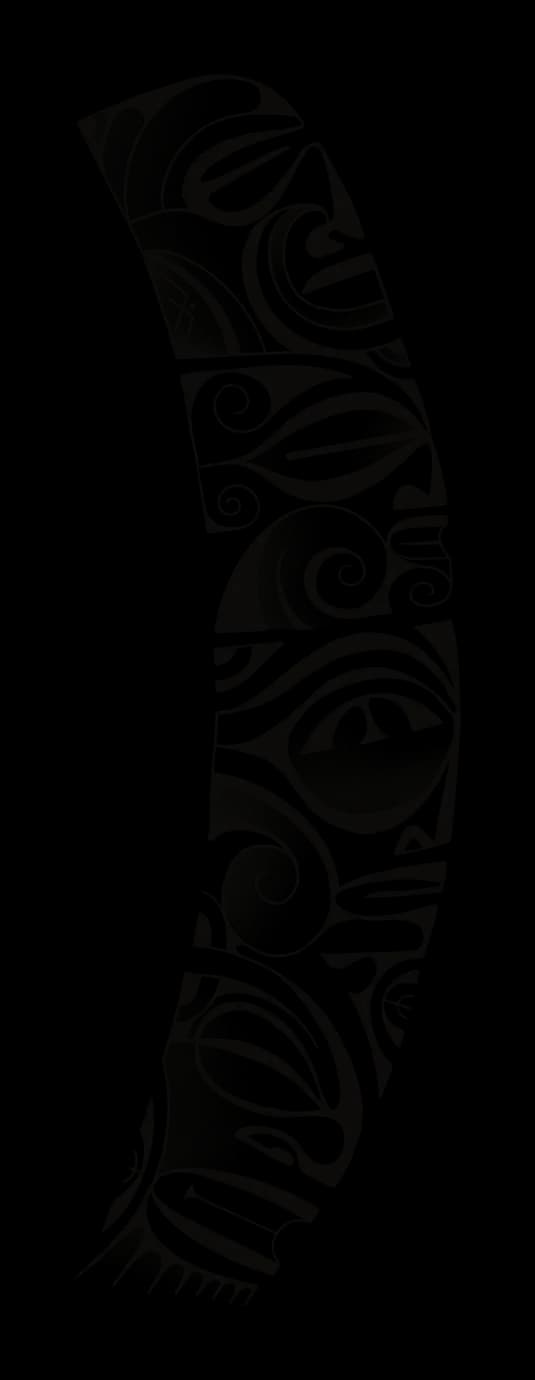
    Large-format Marquesan tiki mask with pronounced teeth and diamond-shaped eyes, drawing by Leo Martínez.Vertical composition of linked tikis for a full arm, drawing by Leo Martínez.Māori hei tiki figure with rounded linework and soft shading, drawing by Leo Martínez.
  3. 03 ——

    Shark teeth

    Niho manō

    Polynesia at large · the backbone of Samoan tattooing

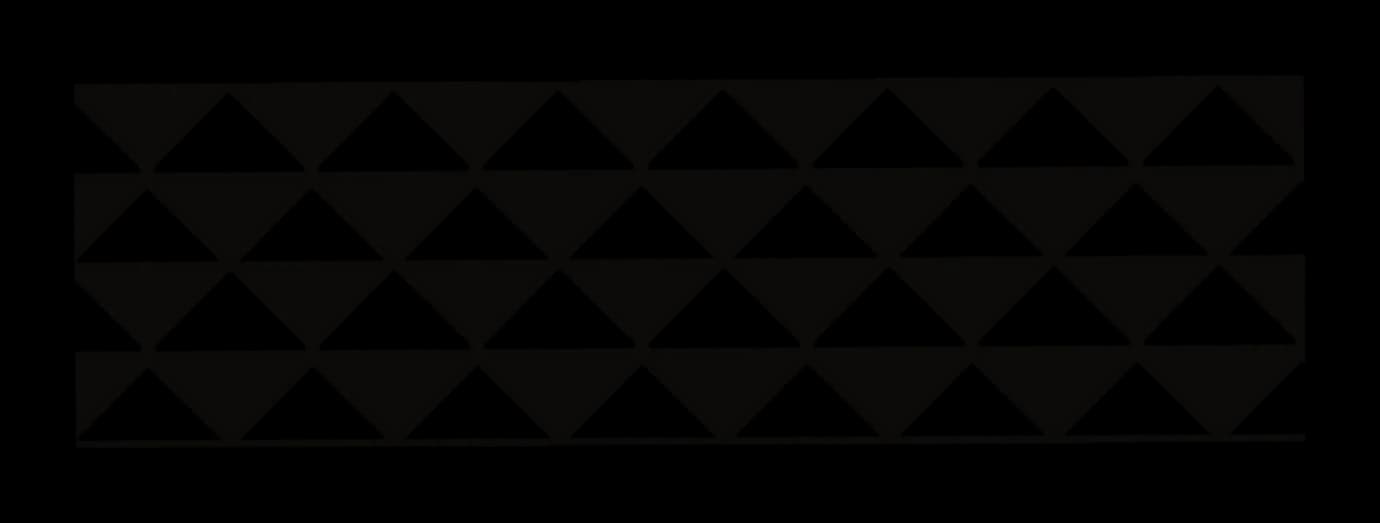
    Bands of triangles standing in for a shark's jaw. Protection and ferocity, and also the ability to adapt.

    Shark-teeth border in two interlocking rows forming diamonds, drawing by Leo Martínez.Border of solid triangles between two rules, drawing by Leo Martínez.Shark-teeth border with diagonal hatching, drawing by Leo Martínez.Zigzag border with alternating shark teeth, drawing by Leo Martínez.
  4. 04 ——

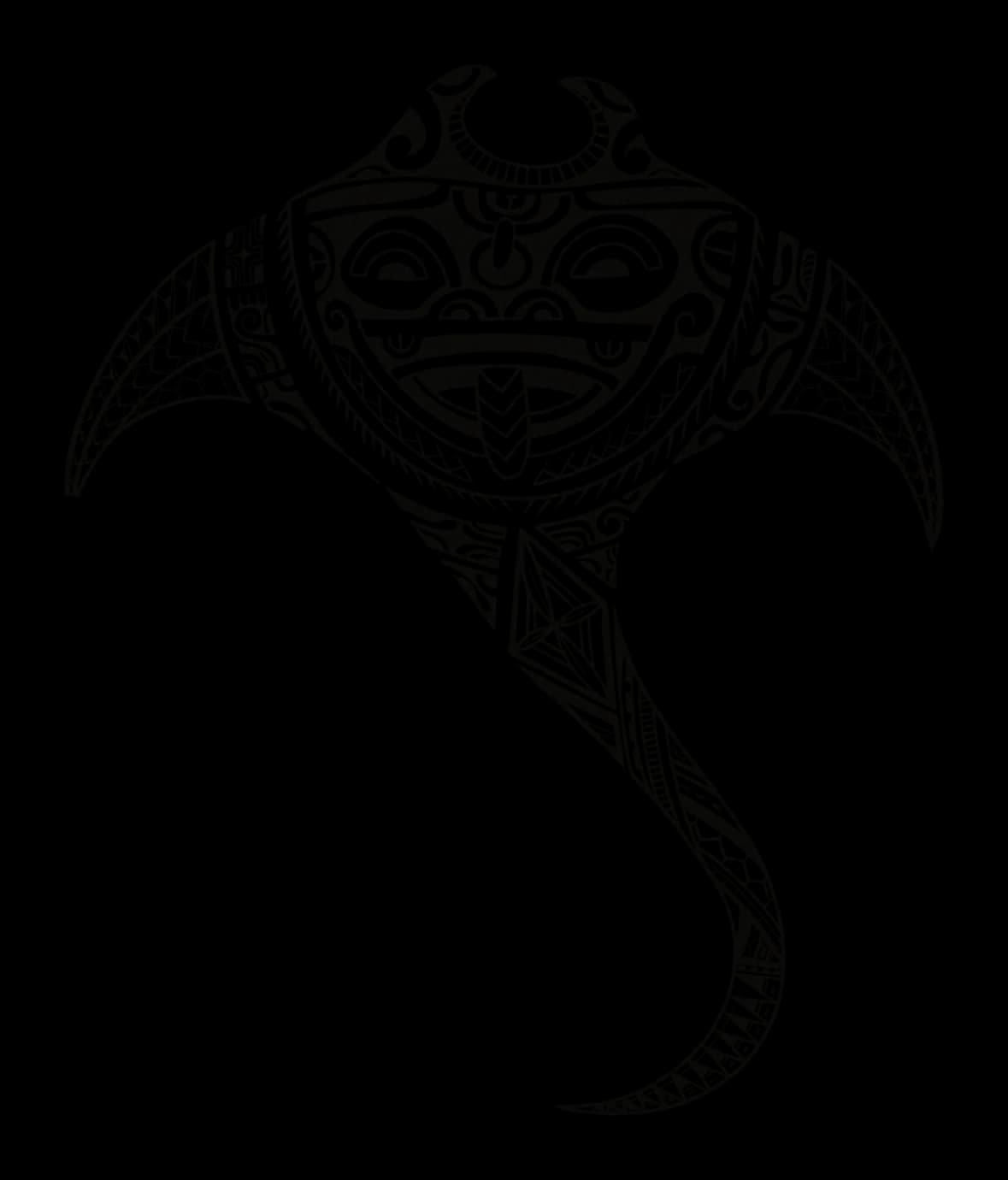
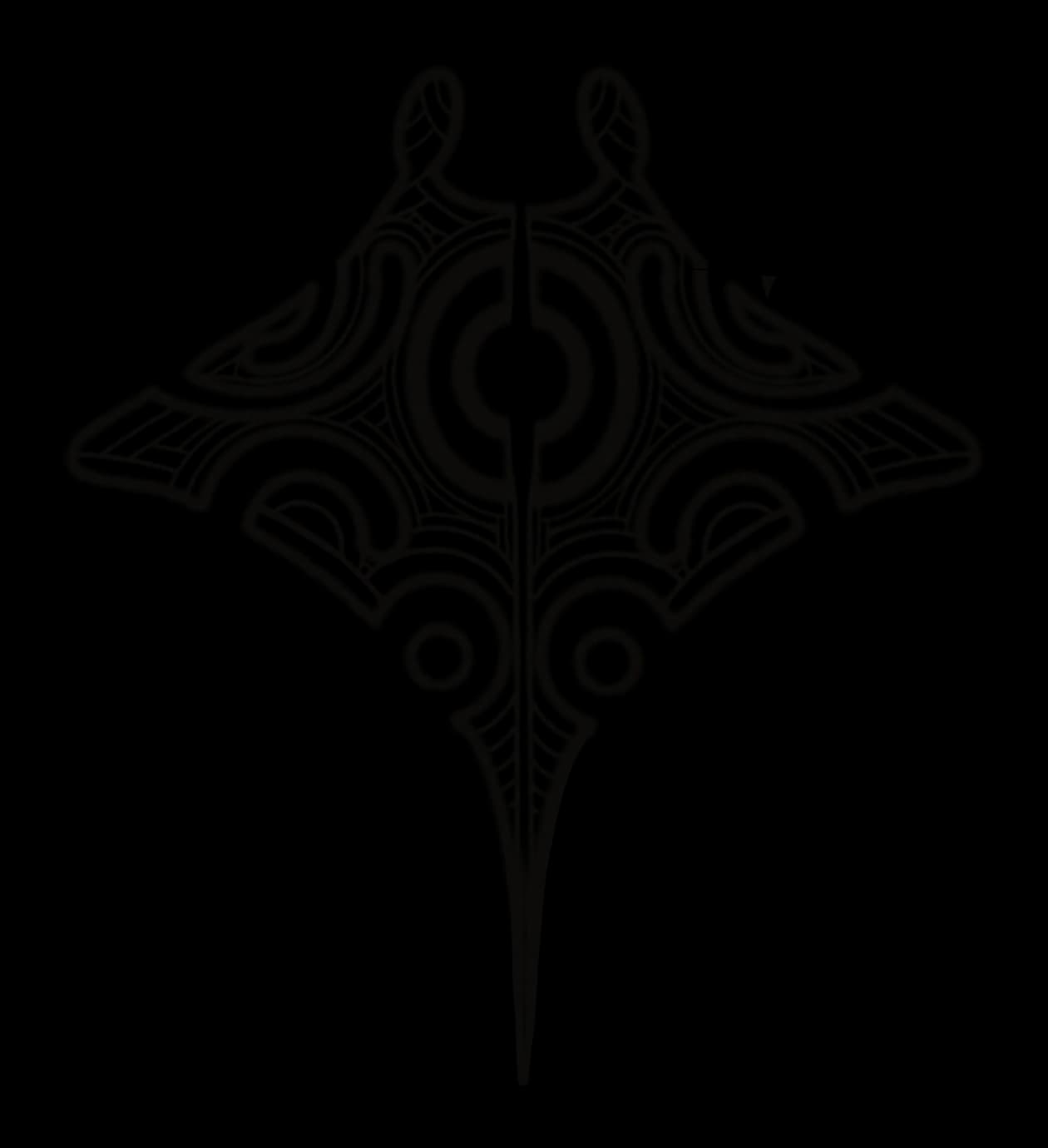
    Manta ray

    Hihimanu

    Polynesia · Hawaii and Tahiti

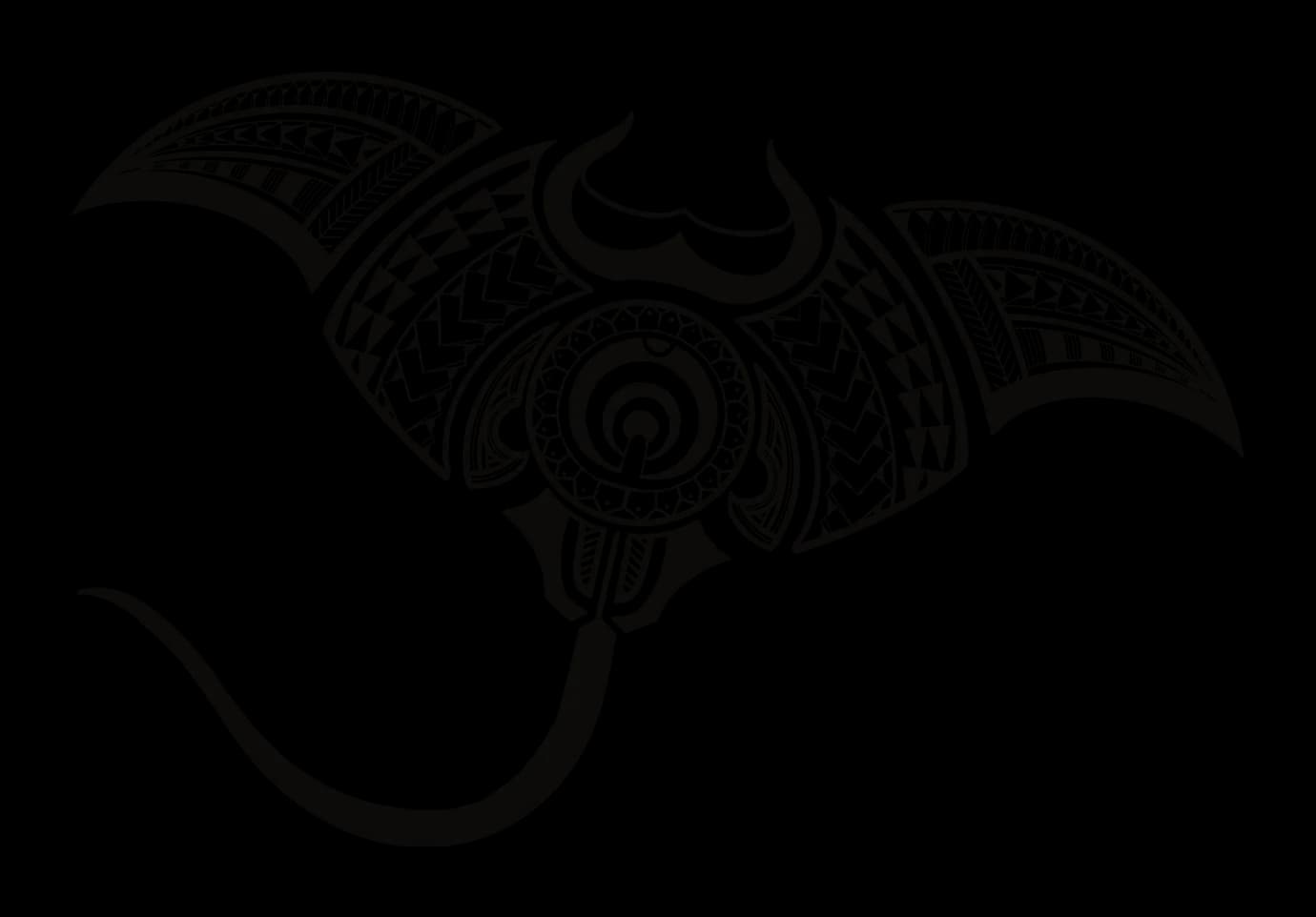
    The ray moves without effort and without noise. Freedom, grace, and a kind of protection that doesn't need to be shown.

    Wide-winged manta ray with a central spiral and a long curving tail, drawing by Leo Martínez.Manta ray with a Marquesan face on the body and a patterned tail, drawing by Leo Martínez.Symmetrical fine-line manta ray with a double central circle, drawing by Leo Martínez.
  5. 05 ——

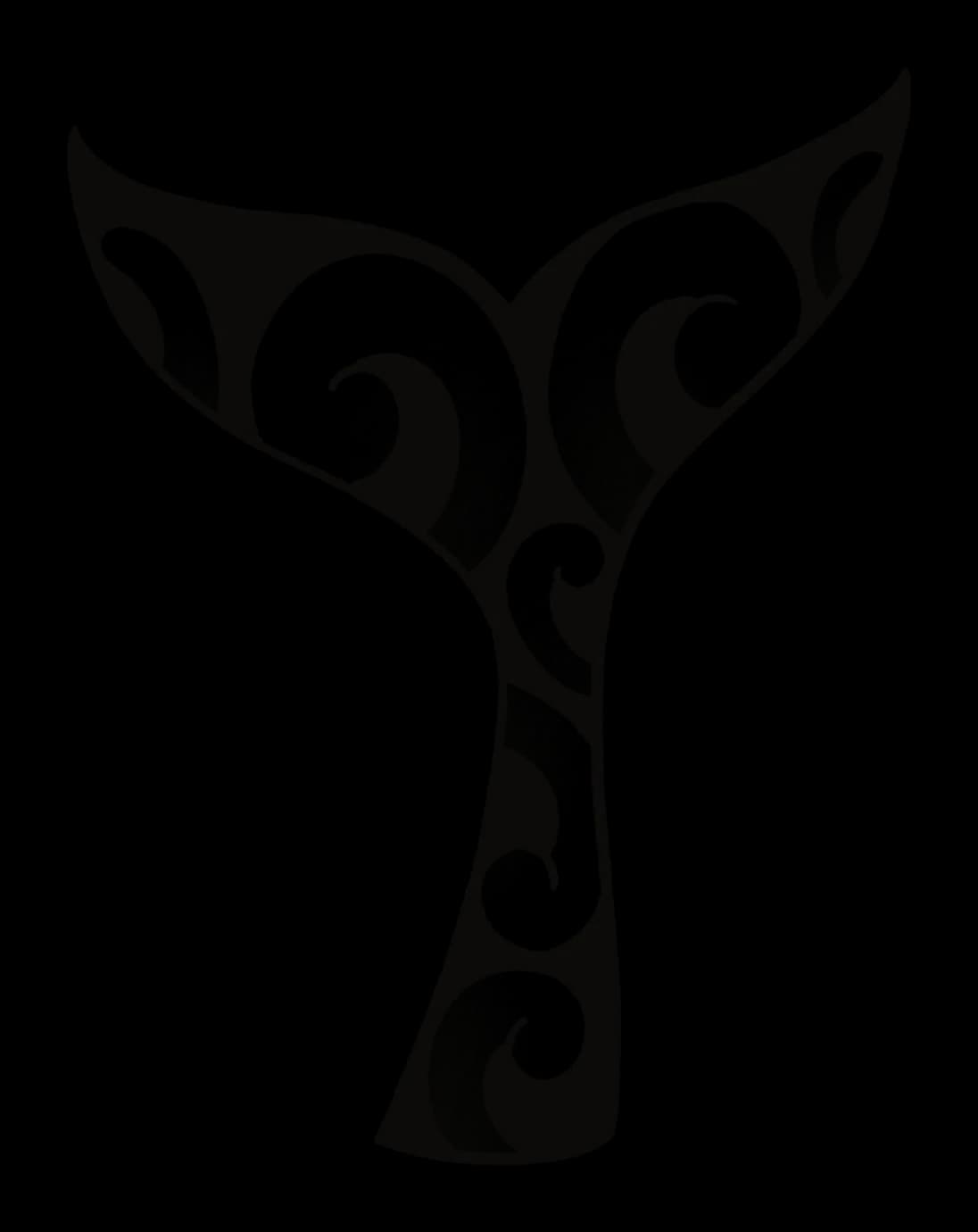
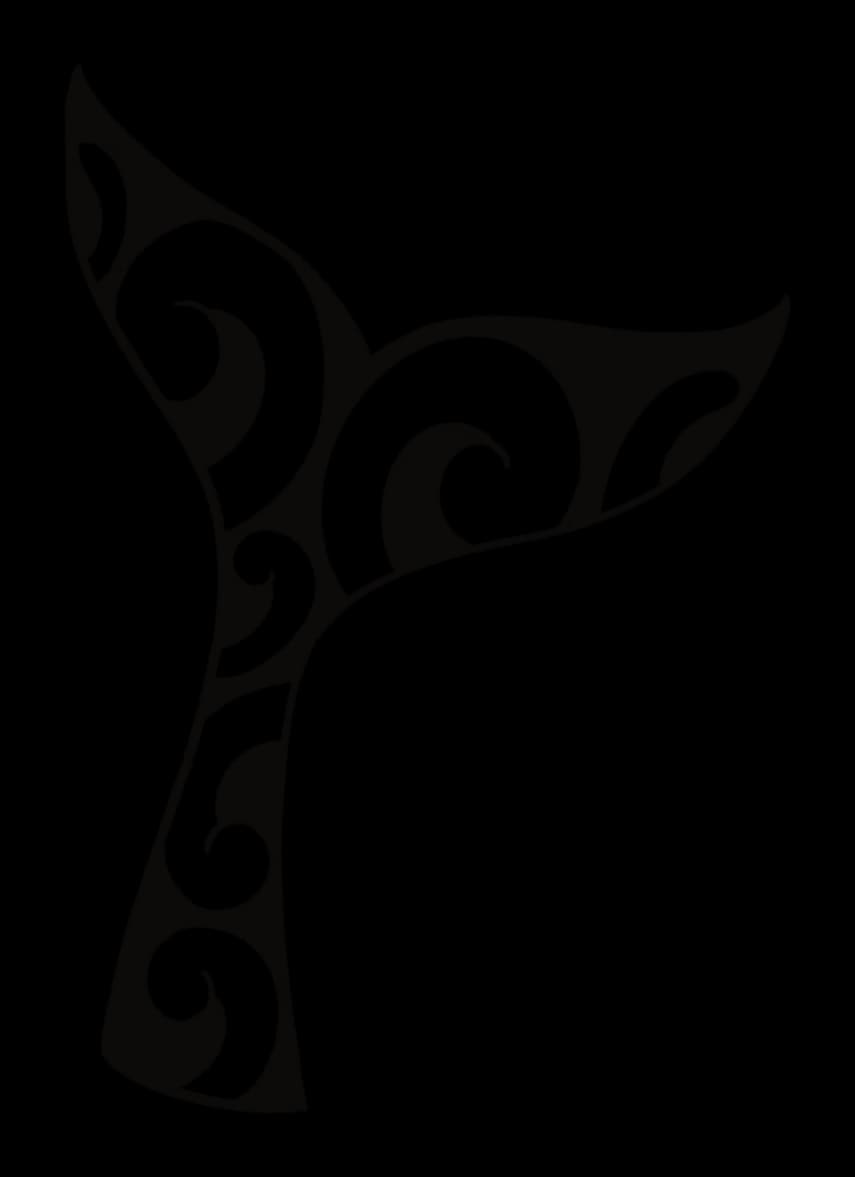
    Whale tail

    Tohorā

    Māori · Aotearoa

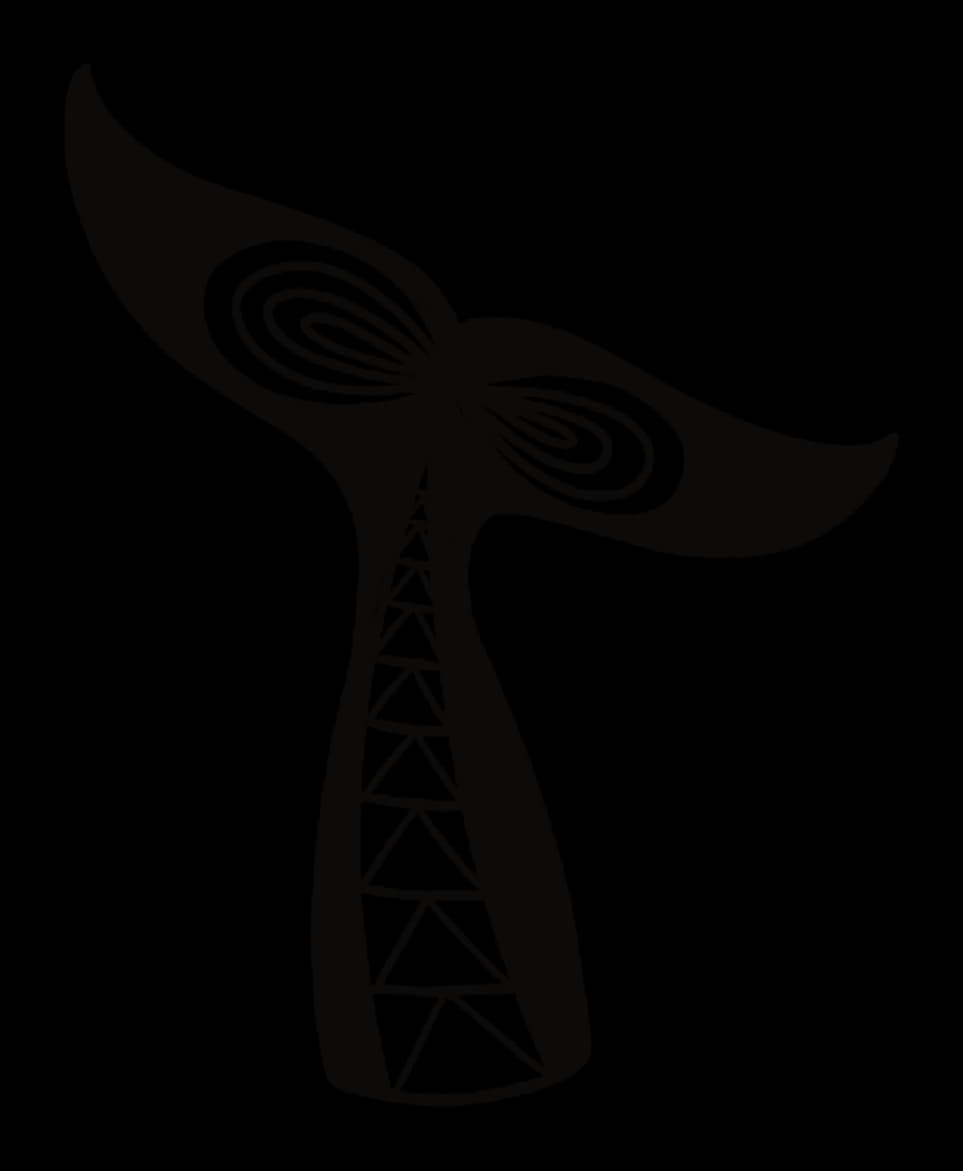
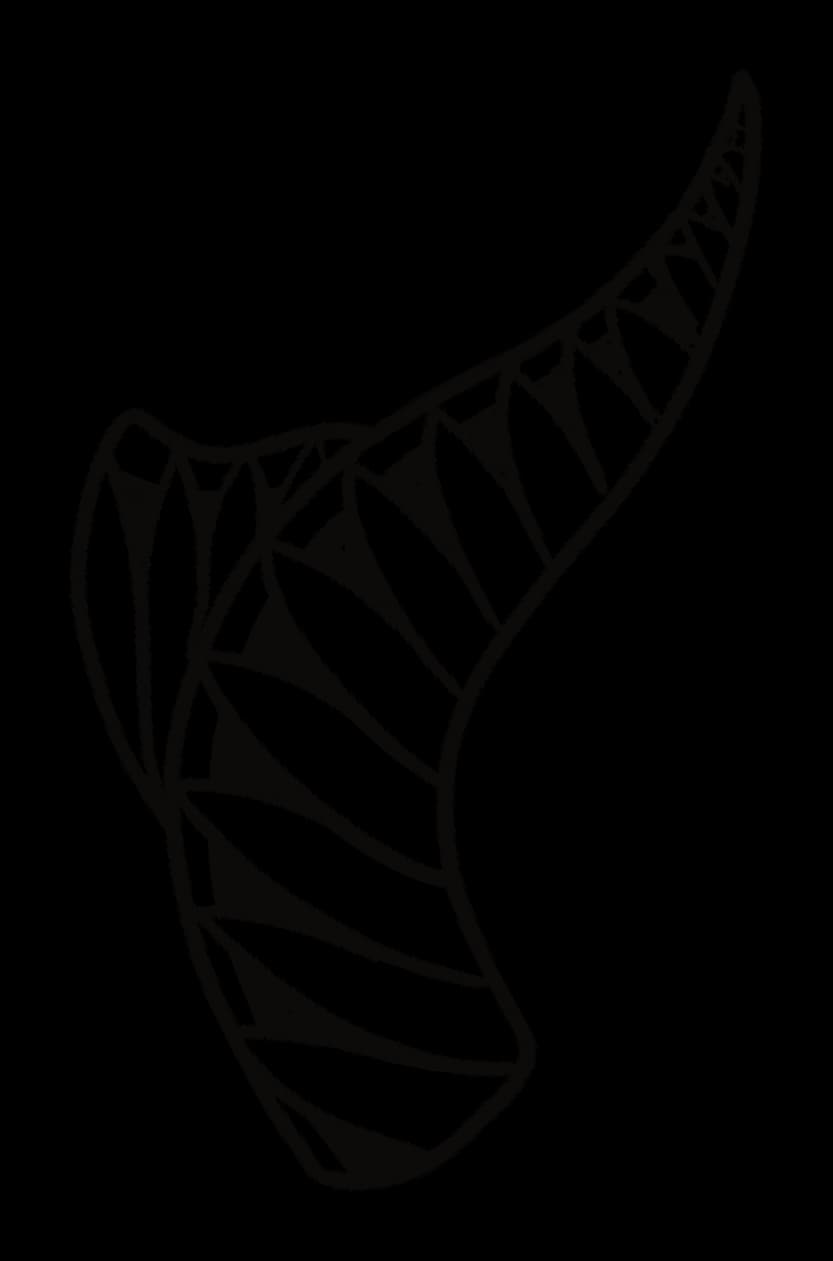
    The whale is guardian and guide on the crossing. Its tail concentrates strength, protection and family ties.

    Large whale tail resolved with koru spirals and graduated shading, drawing by Leo Martínez.Compact whale tail with facing koru, drawing by Leo Martínez.Whale tail with concentric spirals and a triangle-patterned peduncle, drawing by Leo Martínez.Open-line whale tail with parallel hatching, drawing by Leo Martínez.
  6. 06 ——

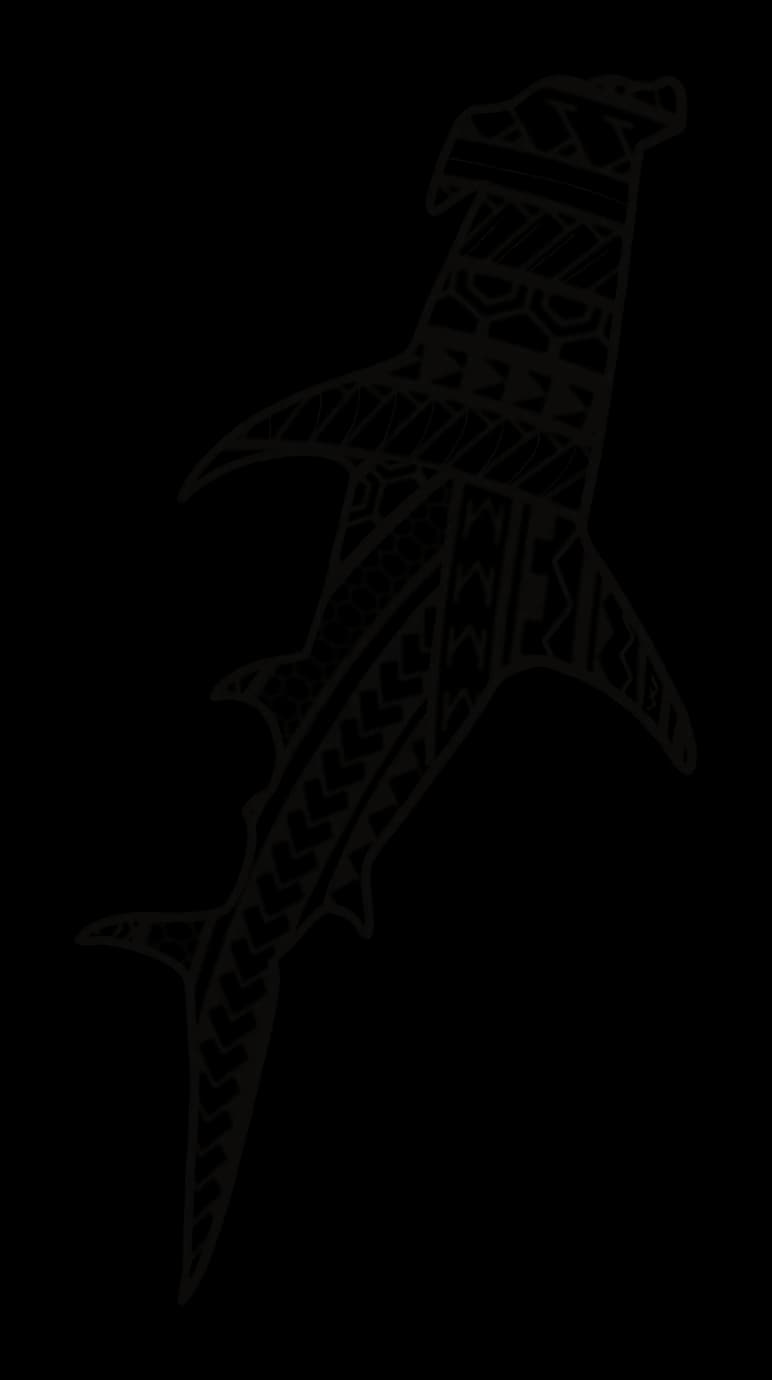
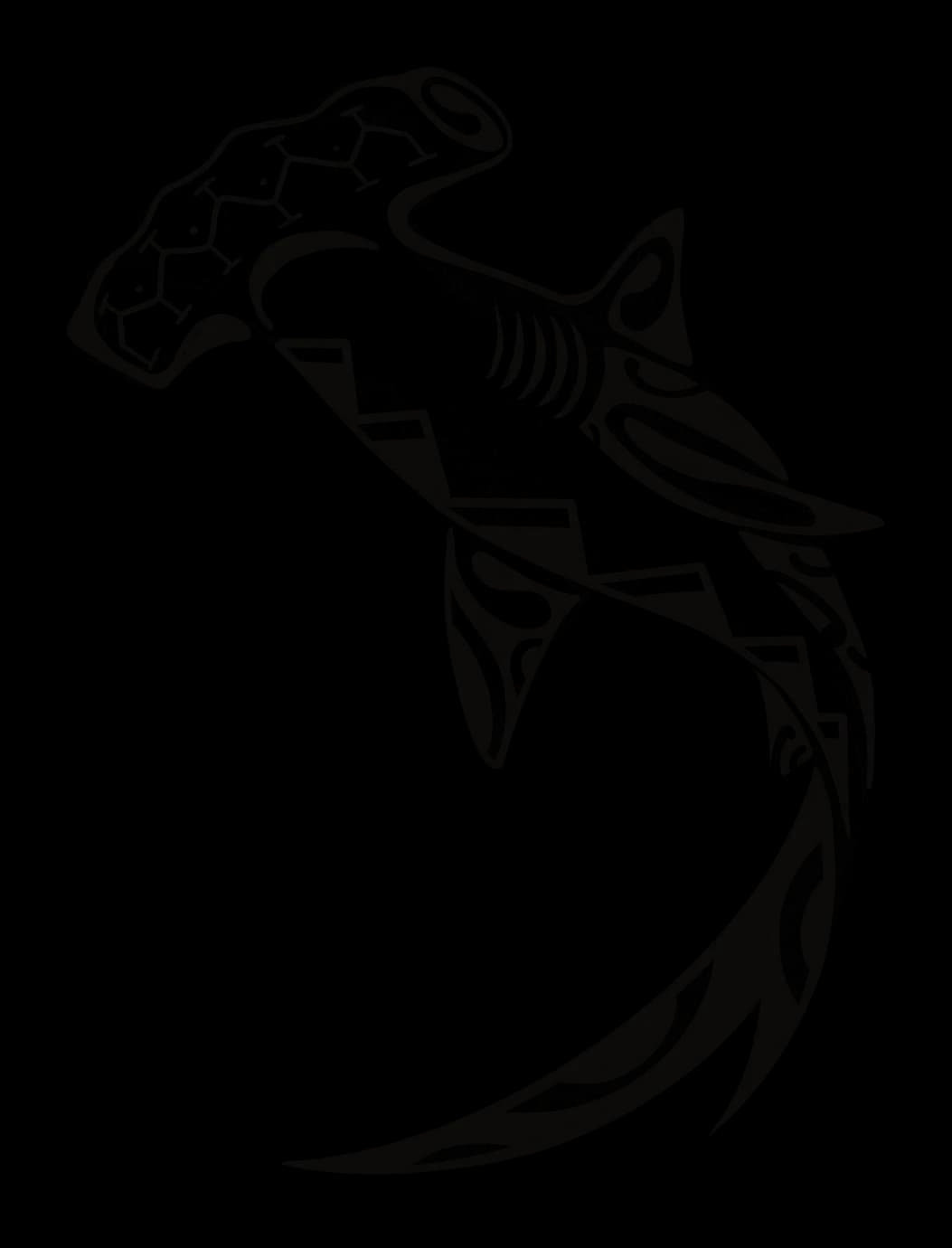
    Hammerhead shark

    Manō kihikihi

    Polynesia · Hawaii

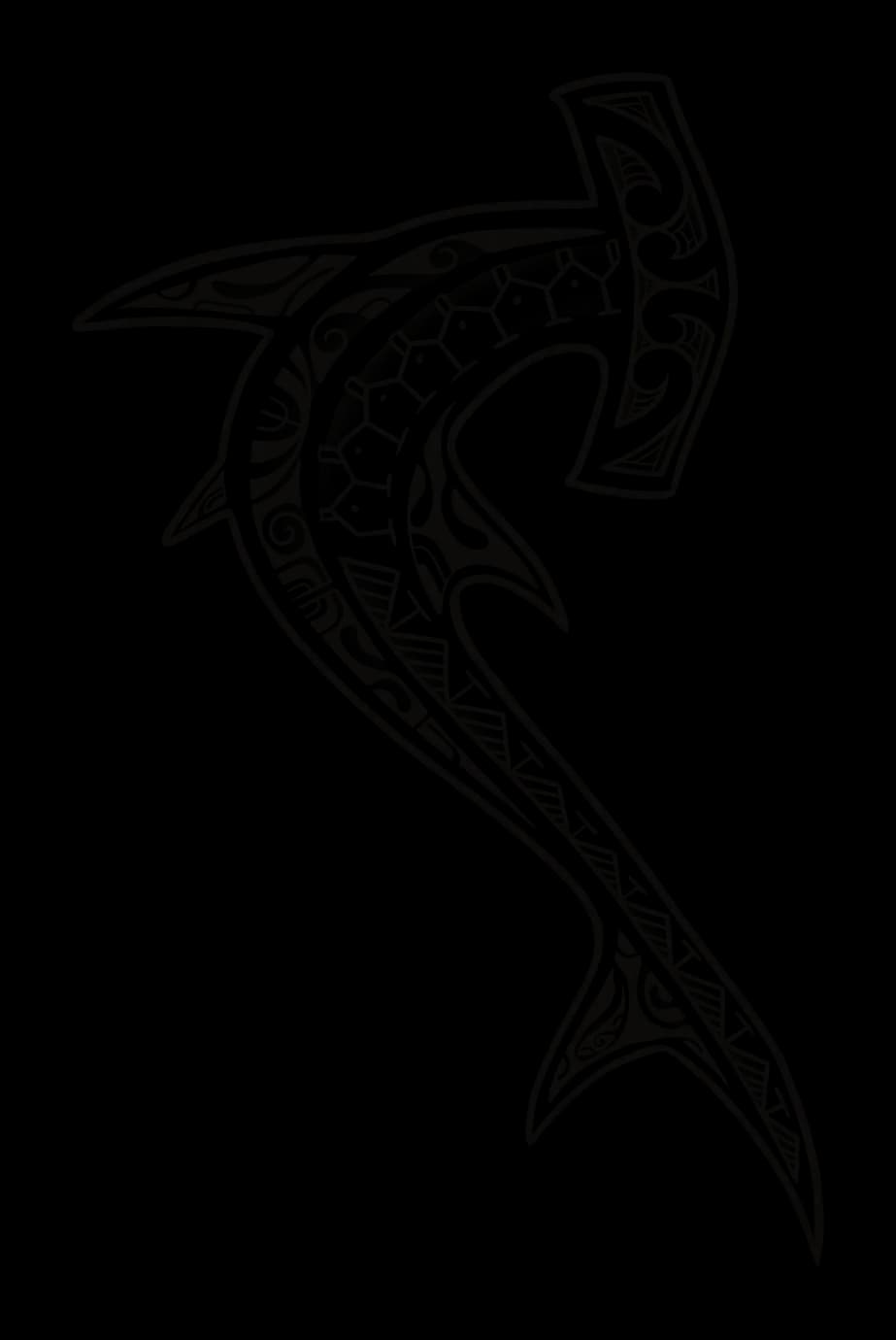
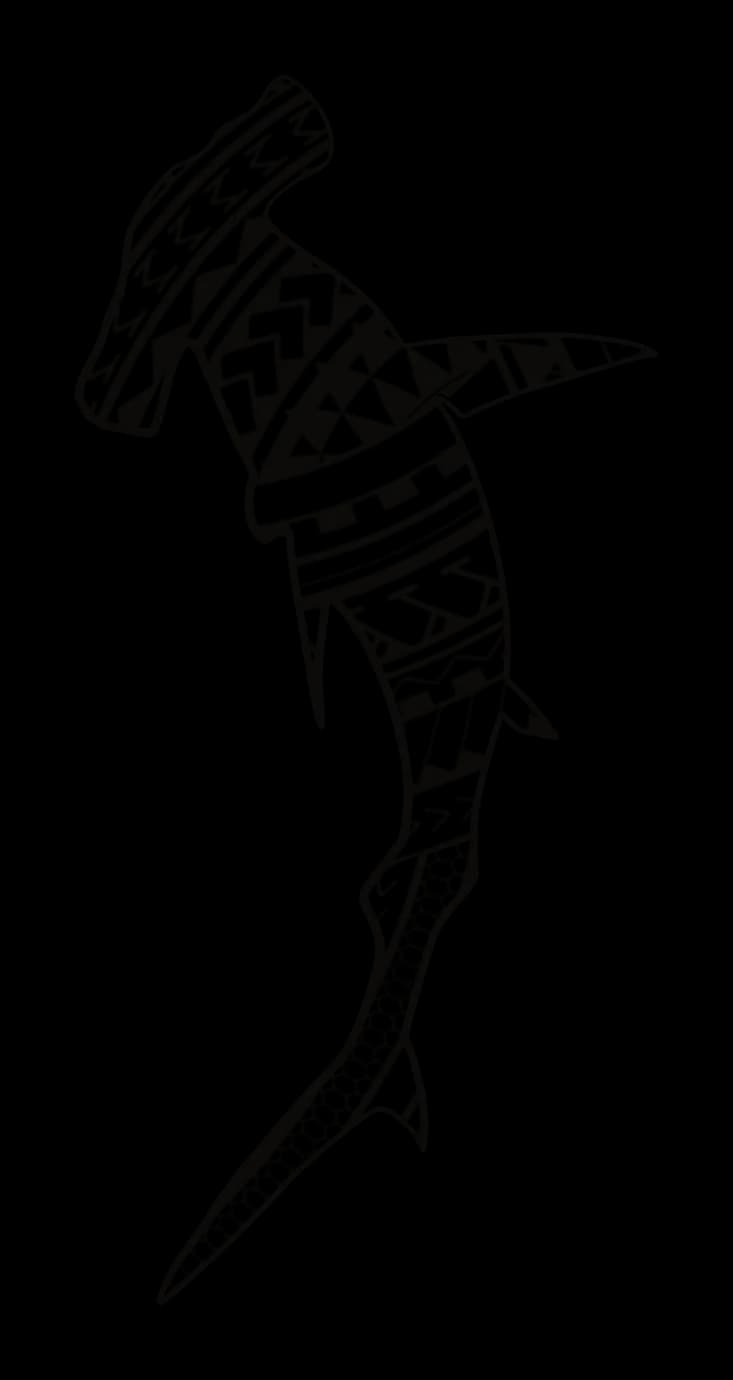
    The shark guards the sea. The hammer adds peripheral vision: seeing things coming before anyone else.

    Large curving hammerhead shark with the body filled with hexagons and spirals, drawing by Leo Martínez.Compact hammerhead shark with stippled shading and a zigzag tail, drawing by Leo Martínez.
  7. 07 ——

    Fish

    Iʻa

    Polynesia at large

    The fish is the food that comes from the sea. Abundance, sustenance, and the prosperity you work for every day.


    Schematic Polynesian fish with an open outline and a forked tail, drawing by Leo Martínez.Solid Polynesian fish with a diamond body, drawing by Leo Martínez.Polynesian fish with a rounded body and pronounced fins, drawing by Leo Martínez.Polynesian fish with the body split in two halves, drawing by Leo Martínez.+2
  8. 08 ——

    Fish scales

    Unahi

    Polynesia at large

    Armour that protects without taking away movement. Resilience that adapts instead of resisting.
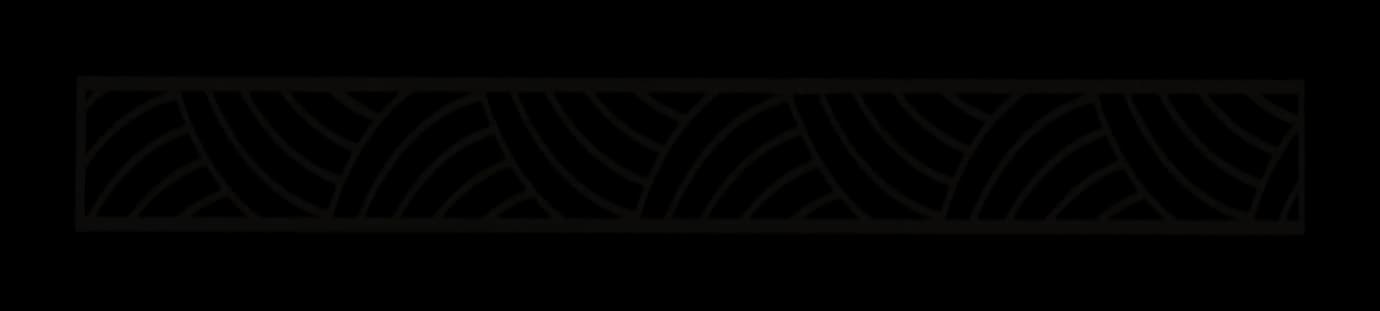
    Fish-scale border made of overlapping concentric arcs, drawing by Leo Martínez.
  9. 09 ——

    Ocean

    Moana

    Polynesia at large

    The sea isn't scenery: it's the road, the larder and the origin. Life, movement, the way between islands.

    Border of Polynesian waves with solid curved crests, drawing by Leo Martínez.Border of parallel wavy lines representing still water, drawing by Leo Martínez.
  10. 10 ——

    Bird

    Manu

    Polynesia at large · Rapa Nui

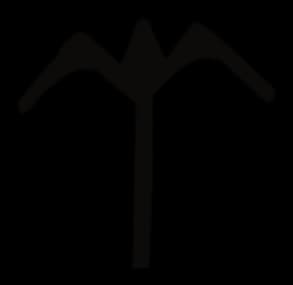
    The one who crosses between this world and the one above. Freedom, news, and sometimes the ancestor returning.

    Birdman figure with open arms, drawing by Leo Martínez.Schematic bird with open wings and a vertical body, drawing by Leo Martínez.Schematic bird with a pointed head, drawing by Leo Martínez.Bird reduced to two angular strokes for wings, drawing by Leo Martínez.+3
  11. 11 ——

    Sun

    Polynesia · Marquesas and Aotearoa

    The motif that usually holds the centre of a composition. Leadership, vital energy, and what doesn't run out.
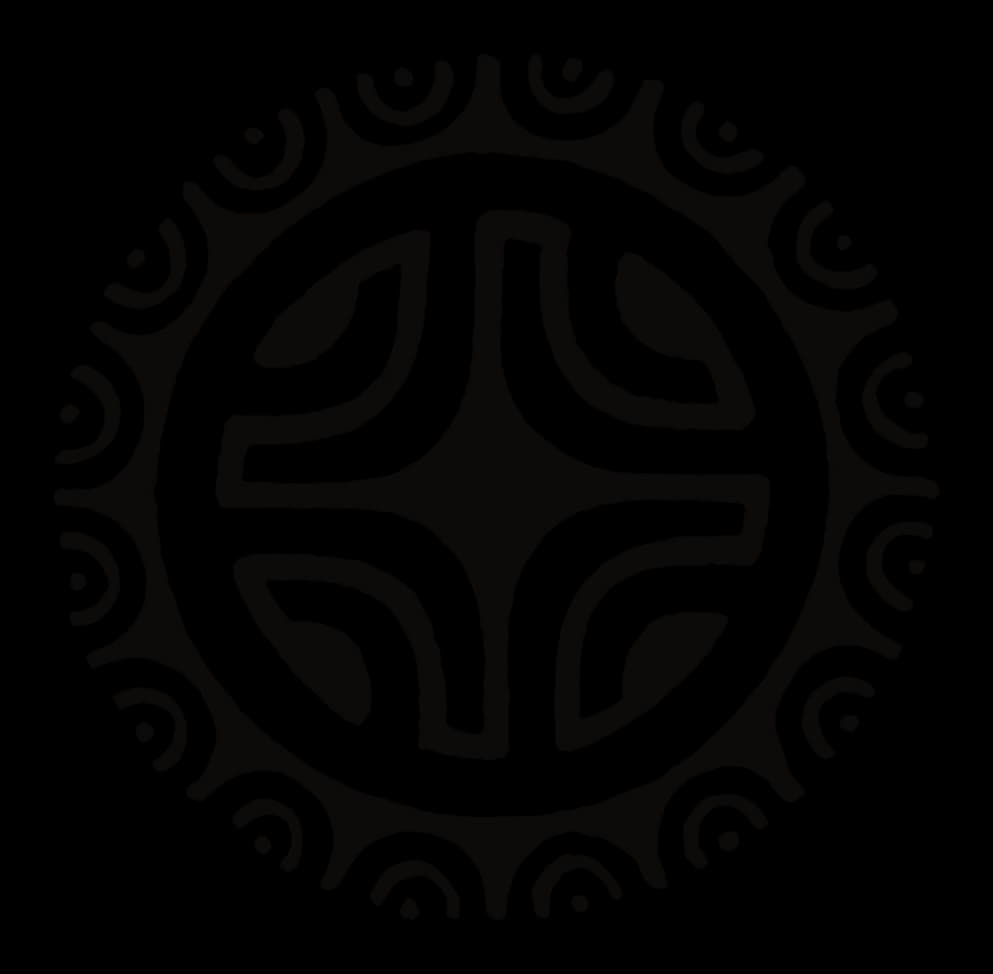

    Large Polynesian sun with a crown of arcs and a four-armed core, drawing by Leo Martínez.Polynesian sun with thick serrated rays and a solid core, drawing by Leo Martínez.Marquesan sun with broad linework and a cross-shaped core, drawing by Leo Martínez.Double-crowned sun with triangular rays and a cross-shaped core, drawing by Leo Martínez.+5
  12. 12 ——

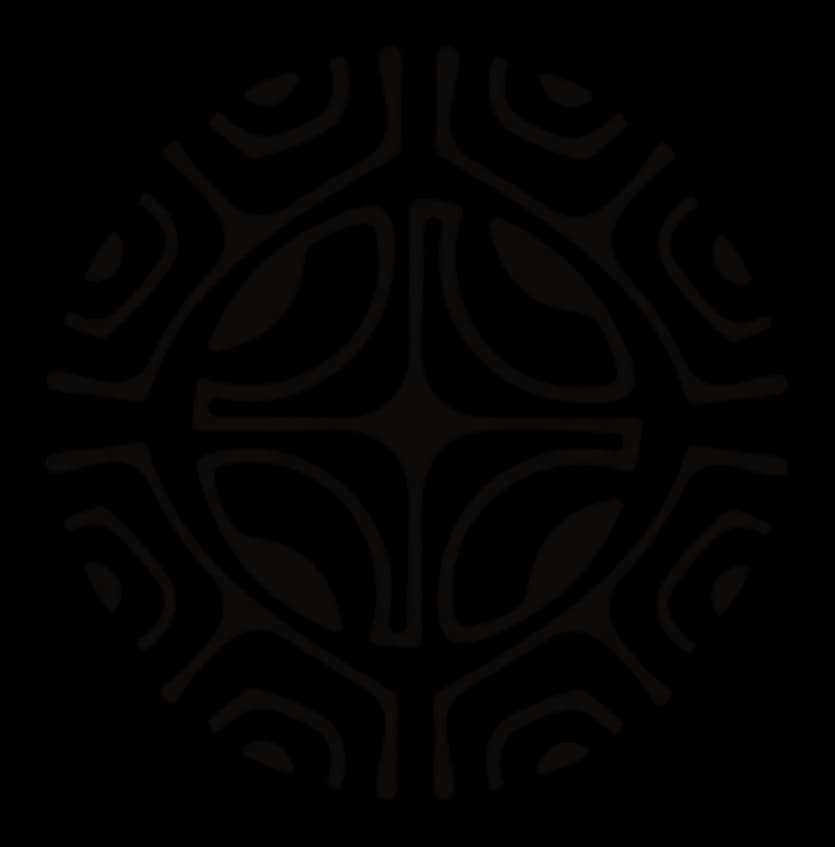
    Borneo rose

    Bunga terung

    Iban · Borneo (not Polynesian)

    The aubergine flower of the Iban of Borneo. It marks the moment of leaving home and standing on your own.


    Lobed Borneo rose with an open central spiral, drawing by Leo Martínez.Compact Borneo rose with a small central spiral, drawing by Leo Martínez.Eight-petalled Borneo rose with a cross-shaped cut-out core, drawing by Leo Martínez.Borneo rose with irregular points and a central spiral, drawing by Leo Martínez.+2

No symbol means the same thing on every island.

This guide is written from the craft and from reading, not from an authority that isn't mine to claim. Where a motif belongs to a specific tradition, it says so. And where something isn't Polynesian at all —like the Borneo rose— it says that too.

Talk about your piece →