
§ Symbol
Bird
Manu
Polynesia at large · Rapa Nui
The bird (manu) is associated in Polynesian tattooing with freedom and message, as it moves between earth and sky. On Rapa Nui the birdman (tangata manu) carries a ceremonial meaning of its own.
§ How I draw it
7 original drawings
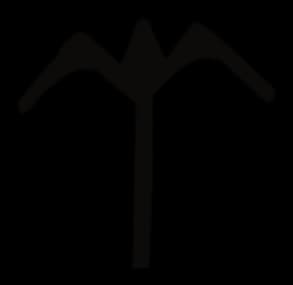



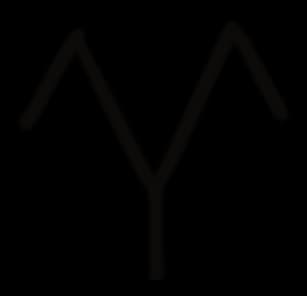
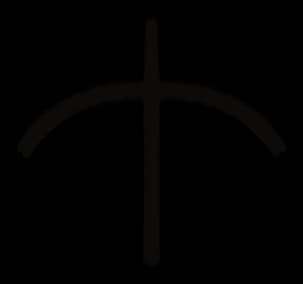
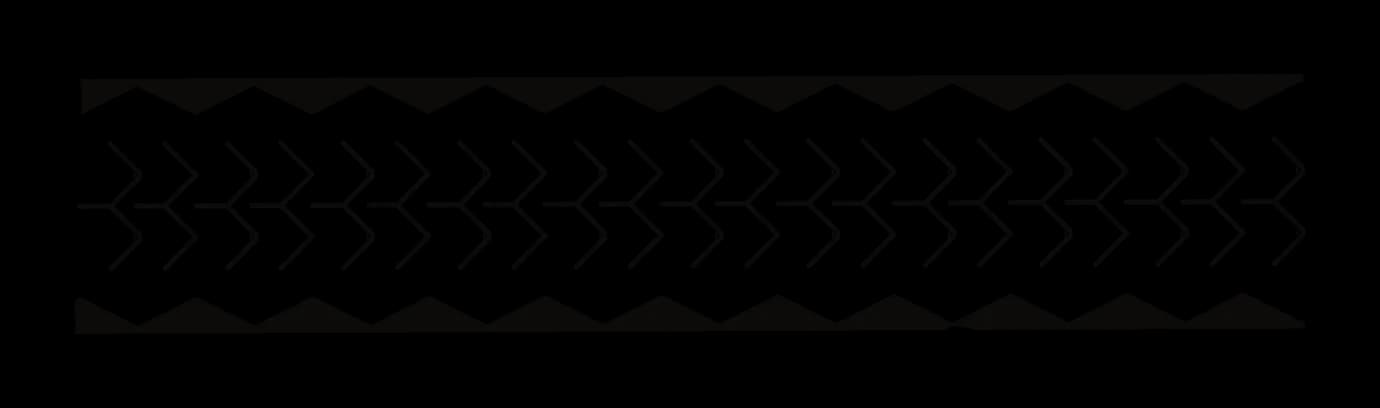
None of these drawings gets tattooed as it is. They're the starting point: in the consultation the motif is adapted to your anatomy and to the rest of the piece.
§ Meaning
Freedom, message, the link with the sky.
Manu is bird in most of Polynesia. Because it moves between earth and sky, tattooing often gives it the role of messenger and reads it as freedom.
On Rapa Nui the birdman (tangata manu) carries a specific ceremonial weight, tied to the cult of Make-make and the yearly competition at Orongo. It shouldn't be used lightly or presented as mere decoration.
In contemporary tattooing the bird appears mostly reduced to a few strokes, on its own or repeated in a border.
§ How it's drawn
Minimal linework: a V, an M or an arc for open wings, sometimes with a short vertical body. Repeated in a row it forms the chevron border that finishes many armbands.
§ Works well with
Interested in a piece with this symbol?
In the consultation we work out how it fits your body and your story.
Book a consultation →